
Tree Removals in Wagga Wagga
Local, fully qualified tree specialists delivering safe, efficient removals, pruning and emergency response with modern equipment and clear communication.
25+
Years Experience
24/7
Emergency Response
1999
Established Year
Clean Worksites
Safety First
Complete Tree Care
Site Protection
Safe, Skilled Tree Removals
When a tree becomes unsafe, outgrows its space or starts causing problems around your home or property, the hardest part is knowing how to deal with it without making things worse. That’s why at Riverina Tree Fellas in Wagga Wagga, we focus on tree removals that are carefully assessed from the ground up—looking at the tree’s condition, height, lean, access and how close it sits to structures, fences, gardens and utilities.
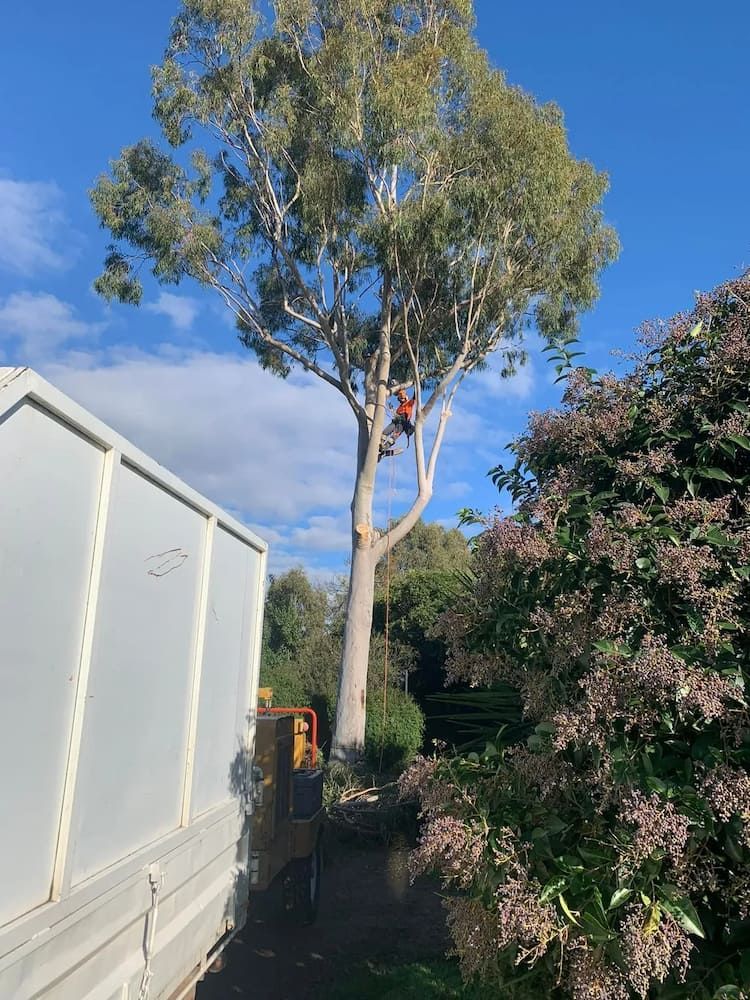
Removing the whole tree, not just a branch here or there, requires a strategy that keeps you safe, prevents property damage and avoids the unpredictable behaviour of failing or diseased timber. Whether it’s towering gums, old ornamentals, storm-damaged trees or those growing dangerously close to roofs and powerlines, the priority is always a controlled, efficient removal that leaves your property safer and easier to maintain.
A tree that’s removed properly won’t leave behind more mess or hazards than it started with. For safe and reliable tree removals handled with professional care, call 0422 087 573.
Frequently Asked Questions
How do you know when a tree needs to be removed?
A tree may need removal if it shows signs of significant decline, such as large sections of deadwood, hollowing, fungus or bracket growth at the base, a sudden lean or bark splitting around the trunk. Structural defects, root damage, proximity to buildings or branches interfering with powerlines are also strong indicators.
In many cases, decay occurs internally long before outward symptoms appear, so professional assessment is often needed to determine whether the tree can be saved through pruning or whether removal is the safest choice. Urban and rural environments both present risks—heavy gums near homes, storm-prone trees near sheds or trees causing foundation pressure are common examples.
What happens to the tree once it’s taken down?
Once the tree is removed, it is usually cut into manageable sections and taken off-site for recycling, mulching or disposal. Branches, foliage and trunk pieces can be chipped, repurposed or transported depending on the size and species.
Good removal processes also involve clearing debris, ensuring the area is tidy and leaving a stable, safe site behind. Many people choose to follow up with stump grinding to eliminate regrowth and free up the space for landscaping or construction. The removal method used—sectional dismantling versus full felling—will determine how the tree is broken down and handled afterward.
How long does a tree removal take?
Tree removal timeframes vary significantly depending on height, access, the tree’s health, nearby hazards and the method required. Small to medium trees in open spaces may take only a few hours, while larger or more complex removals—especially those involving decayed trunks, tight access or close proximity to buildings—can take most of the day.
Additional time is needed when rigging systems are required, when the canopy must be removed in small, controlled pieces or when specialised equipment like elevated platforms is used. Cleaning, chipping and transporting debris also form part of the overall timeframe.
Enquire Now
Thank you for contacting Riverina Tree Fellas.
We will get back to you as soon as possible.
Oops, there was an error sending your message.
Please try again later.
Strategic Removal Techniques
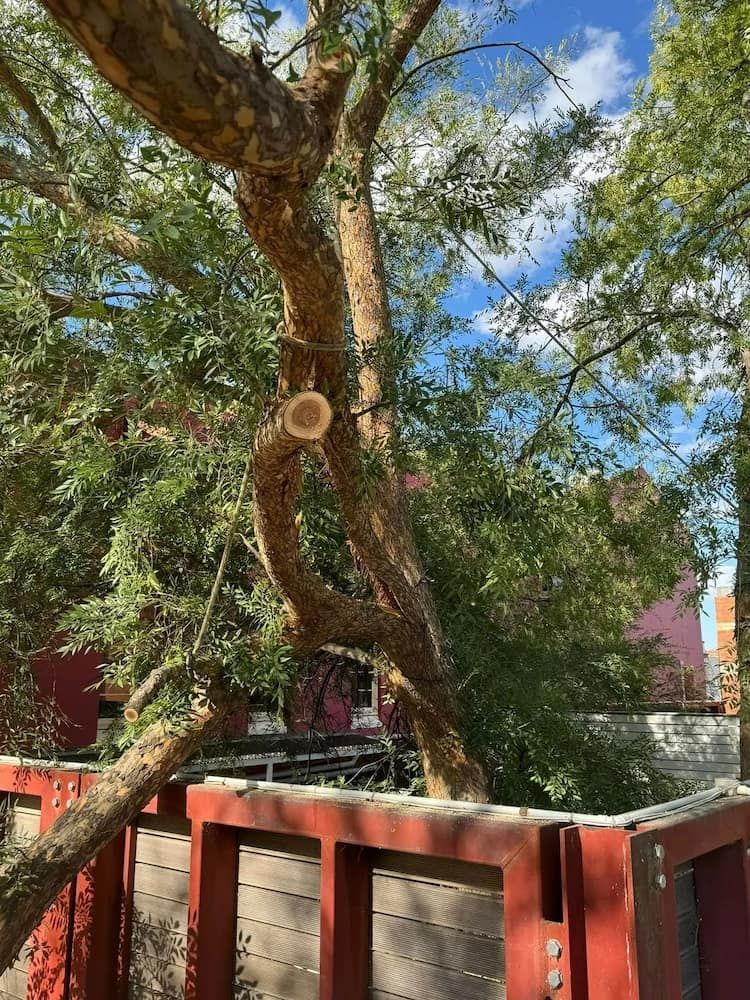
Removing a tree isn’t just a matter of cutting it down. It’s a combination of planning, technique and understanding how the tree’s weight will shift as each section is taken apart. Some trees can be dismantled from the canopy downward in carefully lowered pieces, while others require rigging systems, drop zones or specialised equipment to prevent accidental breakages.
Factors like internal decay, dead branches, previous storm damage or unstable roots can influence the safest way to remove the tree without causing unpredictable falls or creating new hazards. Good removal work also considers the aftermath, ensuring the site is clean, safe and ready for whatever comes next, whether that’s landscaping, replanting or improving access.
Effective tree removals give you back control of your property while eliminating risks before they escalate.