
Disease & Pest Management in Wagga Wagga
Local, fully qualified tree specialists delivering safe, efficient removals, pruning and emergency response with modern equipment and clear communication.
25+
Years Experience
24/7
Emergency Response
1999
Established Year
Clean Worksites
Safety First
Complete Tree Care
Site Protection
Protecting Trees From Hidden Damage
Tree health problems often start quietly: yellowing leaves, small holes in the bark, dieback creeping down a branch or patches of sudden wilt. By the time the signs are obvious, the damage is usually well underway. That’s why Riverina Tree Fellas in Wagga Wagga focuses on early detection and targeted disease and pest management that helps stop issues before they spread.
Many local tree species are vulnerable to borers, fungal infections, root rot, scale and other pests that weaken the structure of the tree and make it unsafe over time. Instead of taking a one-size-fits-all approach, we look at soil conditions, weather patterns, watering habits and the overall environment to determine what’s causing the decline. With the right treatments, monitoring and practical advice, trees often recover faster and grow stronger than before.
Healthy trees are safer, more resilient and far less likely to require removal later. For clear answers and effective solutions, call 0422 087 573.
Frequently Asked Questions
What are the most common signs of disease or pests in trees?
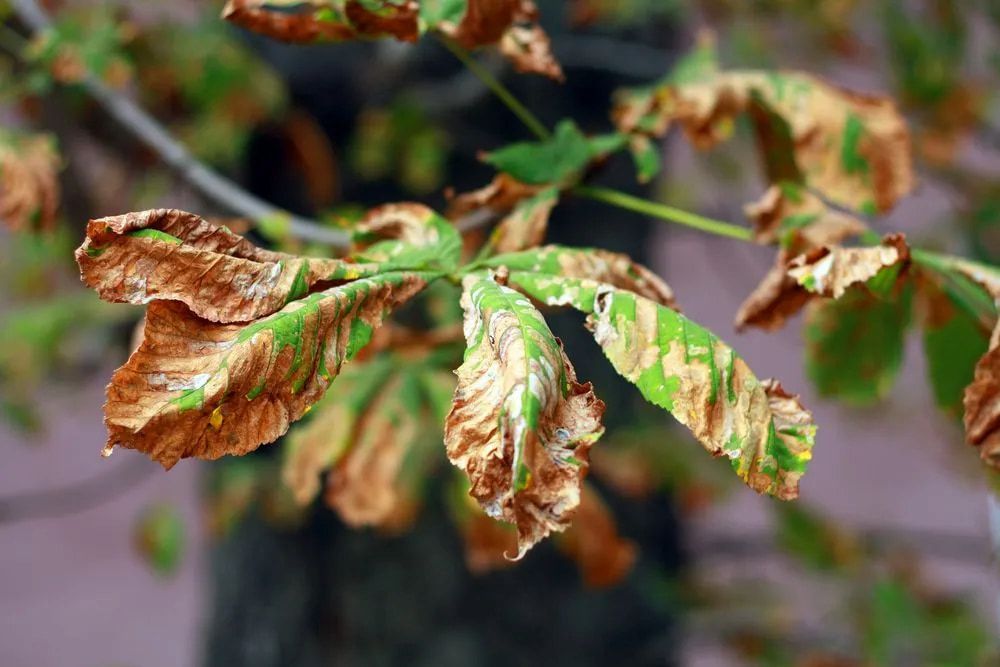
Common early signs include discoloured or wilting leaves, unusual leaf drop outside normal seasonal patterns, small holes in bark, sawdust-like residue at the base of the trunk, cracking or oozing bark, dieback in the canopy and visible insects or fungal growth. Fungal issues often appear as mushrooms or bracket fungi around the trunk, while borers may create exit holes or channels beneath the bark.
In many cases, symptoms progress slowly, making regular monitoring important. Because multiple conditions can appear similar, a proper assessment is often needed to determine whether the issue is caused by pests, disease, environmental stress or a combination of factors.
Can a diseased tree be saved, or does it always need to be removed?
Many diseased trees can recover with timely, appropriate treatment, especially when the issue is caught early. Light fungal infections, minor pest infestations and nutrient-related decline often respond well to pruning, soil improvement and targeted treatments. However, if disease has spread through the trunk, compromised the root system or caused significant structural instability, removal may be the safest option.
Tree species also respond differently—some recover quickly, while others decline faster once infection takes hold. A thorough evaluation helps determine whether treatment or removal is the best long-term solution.
How do tree pests spread, and how can they be prevented?
Tree pests typically spread through flight, wind, soil movement, infested firewood, neighbouring vegetation or even through gardening tools that haven’t been cleaned between uses. Borers, scale, aphids and other insects can move quickly between nearby trees, particularly when the trees are stressed by drought, poor soil conditions or inconsistent watering.
Prevention involves maintaining tree health, improving soil quality, pruning dead or weakened branches and avoiding practices that attract pests, such as overwatering or leaving rotting wood nearby. Regular inspections are one of the most effective ways to catch pest activity before it becomes widespread and difficult to control.
Enquire Now
Thank you for contacting Riverina Tree Fellas.
We will get back to you as soon as possible.
Oops, there was an error sending your message.
Please try again later.
Targeted Tree Treatments
Diseased or pest-affected trees don’t just lose their appearance—they lose stability, internal strength and their ability to fight off environmental stress. Addressing the issue early means identifying the exact cause, whether it’s insect activity, fungal infection, nutrient deficiency, moisture stress or a mix of several factors.
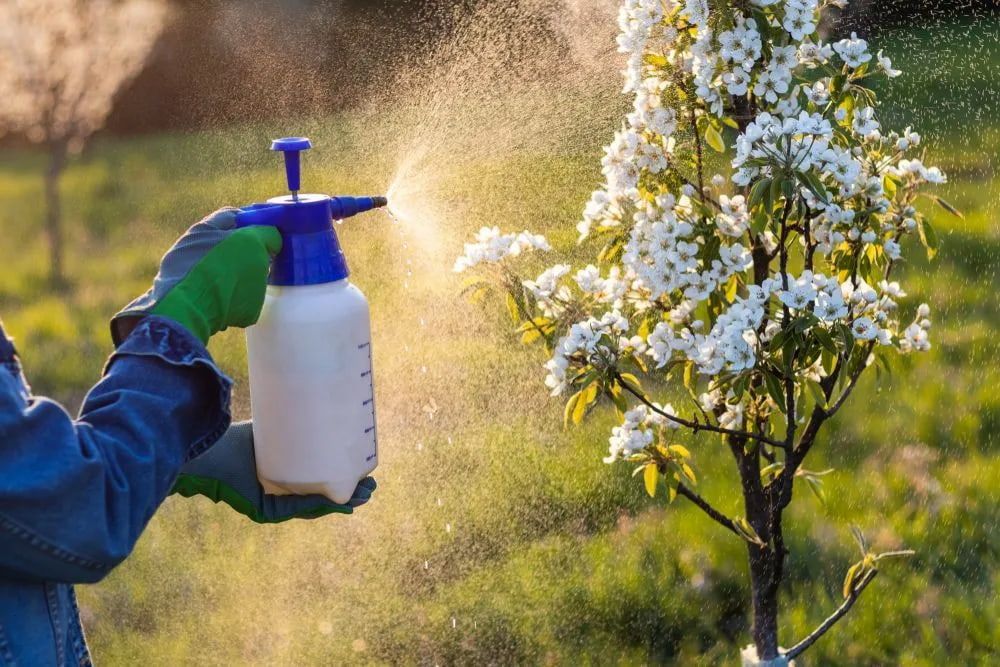
Effective disease and pest management may include pruning infected areas, applying targeted treatments, improving soil health and adjusting environmental conditions to give the tree its best chance at recovery. Many pests and diseases also spread easily to nearby trees, which makes containment essential. By focusing on long-term tree health—not just short-term treatment—you get safer, stronger trees and a more stable landscape overall.
Stopping pests and disease early prevents decline and protects your property.